Dual-Band Wi-Fi 7 for Homes That Do Not Need 6 GHz
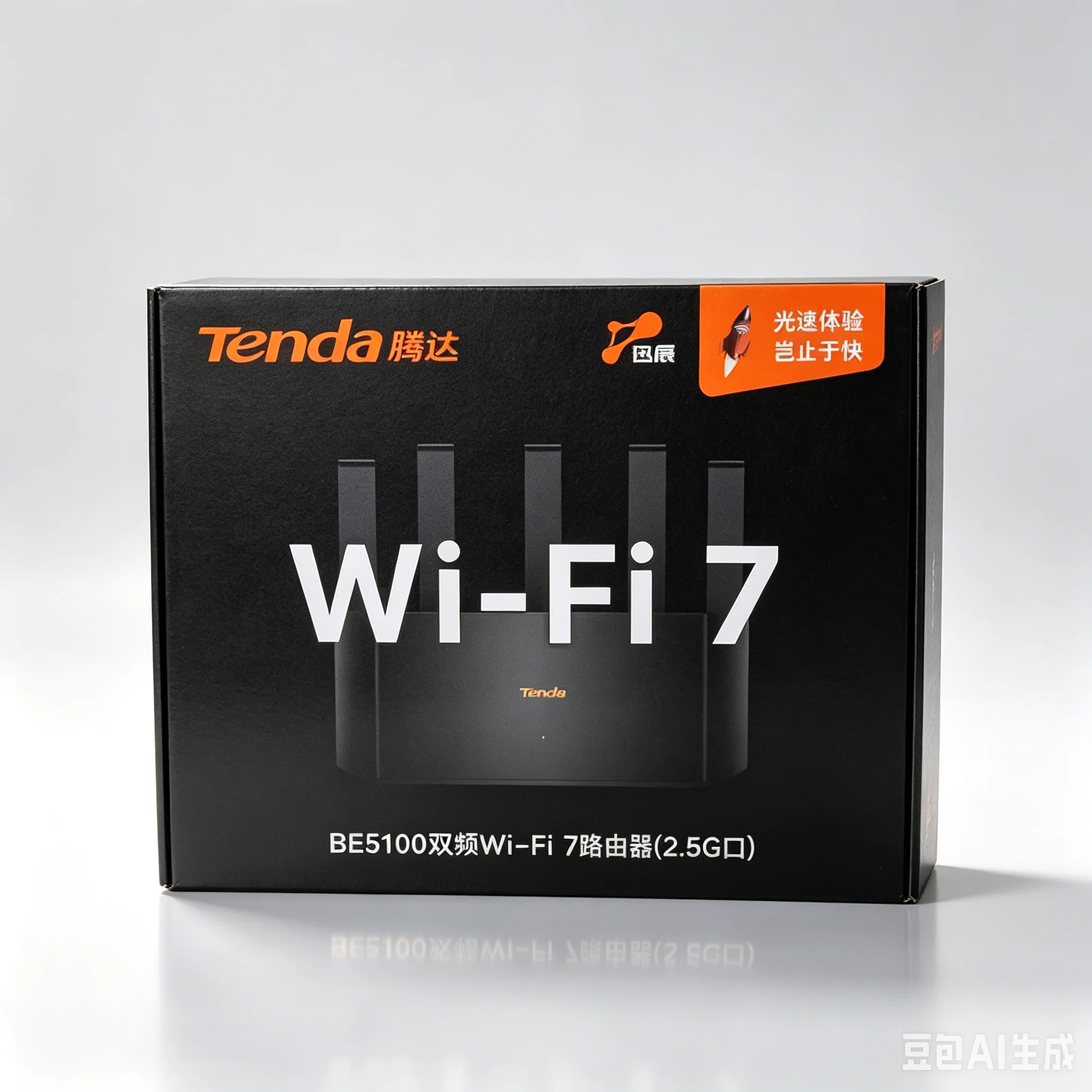
The best dual-band wifi 7 router is not a universal winner, but the one whose bands and wired ports fit your network. The Tenda BE5100, also listed as RE6L Pro, is worth considering for its seller-listed one 2.5G port and three 1G ports.
View Current OfferThis page may contain affiliate links. If you purchase through them, we may earn a commission at no extra cost to you.
Dual-Band Wi-Fi 7 Options at a Glance
These are fit-based considerations, not performance rankings. Product details come from marketplace titles, so confirm the current port roles, modem or ONT compatibility, supported modes, and included accessories before ordering.
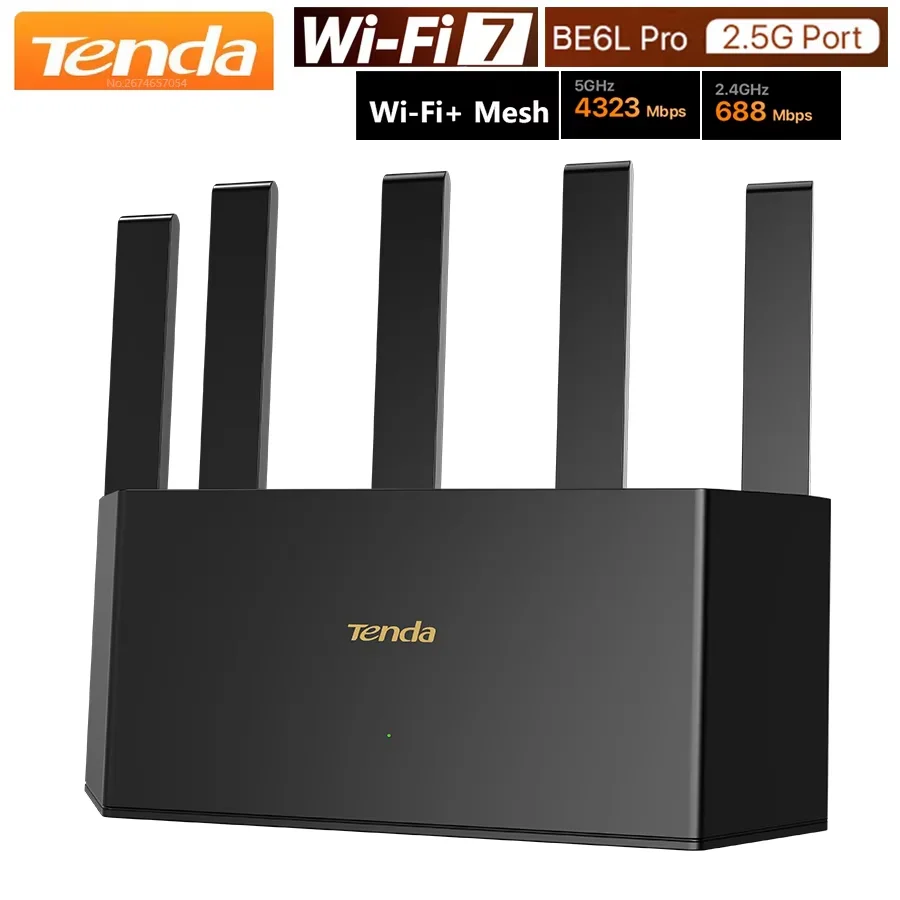
Tenda BE5100 Dual Band WiFi 7 Router (RE6L Pro) – 1x2.5G + 3x1G Ports, Easy Setup, Security Protect, Parental Control, Access Po
The Tenda BE5100, listed as RE6L Pro, suits a home plan built around one seller-listed 2.5G port alongside three listed 1G Ethernet ports.
- Listed as a dual-band Wi-Fi 7 router
- One listed 2.5G port
- Three listed 1G ports
- Listing mentions easy setup, security protection, and parental controls
Confirm which port serves as WAN and whether its layout matches your modem or fiber ONT handoff.
View Current Offer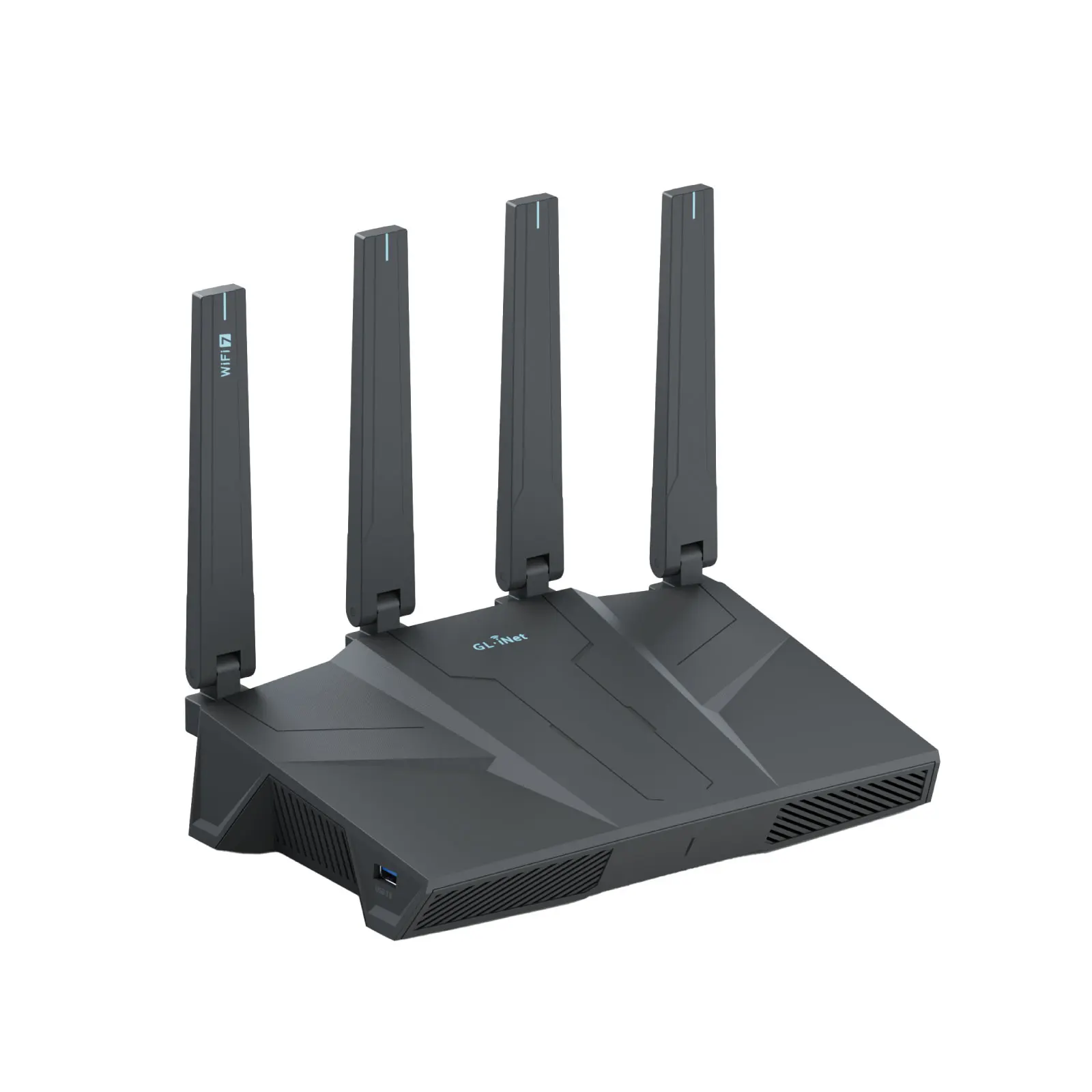
GL.iNet GL-BE6500 (Flint 3e) Dual-band WiFi 7 Home Router for Gaming Wireless Internet Router 5× 2.5G Ports Robust VPN Capabilities,Parental Controls, USB3.0 Qualcomm Quad-core 1.5 GHz, Supports ADGuard Home,OpenVPN,WireGuard,OpenWrt
The GL.iNet GL-BE6500 Flint 3e is the clearer fit when several 2.5G Ethernet connections are a documented priority and its listed networking software features appeal.
- Listed as a dual-band Wi-Fi 7 home router
- Five listed 2.5G ports
- Listing mentions VPN capabilities and parental controls
- Listing mentions USB 3.0 and OpenWrt support
Choose it for its specific port and software feature set, rather than assuming every household needs several 2.5G links.
View Current Offer
GL.iNet GL-BE3600 (Slate 7) Wi-Fi 7 Travel Router Dual-band Portable Travel Router, Pocket WiFi 7, 2.5G Router, Portable VPN Routers WiFi for Travel, Public Computer Routers, Business Trip, Mobile/RV/Cruise/Plane
The GL.iNet GL-BE3600 Slate 7 is relevant for shoppers intentionally seeking a portable dual-band Wi-Fi 7 router for travel-oriented networking.
- Listed as a dual-band Wi-Fi 7 travel router
- Portable and pocket-oriented positioning
- Listing mentions a 2.5G router
- Listing mentions VPN use for travel
Its travel-focused positioning makes it a more specialized choice than a typical fixed home router.
View Current OfferDecide Whether Dual-Band Is Enough Before Comparing Routers
A dual-band router uses the 2.4 GHz and 5 GHz bands. For many homes, that is a sensible starting point: 2.4 GHz remains useful for devices designed around that band, while 5 GHz serves many current phones, computers, streaming devices, and consoles. The important question is not whether dual-band is newer or older than another category, but whether it matches the devices and network plan you have. Tri-band Wi-Fi 7 routers add a 6 GHz band. Consider that category if you already own compatible 6 GHz devices, expect to add them soon, or are planning a network where an additional band has a defined purpose. A dual-band model can be the more focused choice when 6 GHz is not part of your device plan. Use this short buying checklist: confirm whether you need 6 GHz; count wired devices; decide whether you need 2.5G on one connection or several; check the Ethernet handoff from your modem or ONT; and consider whether difficult rooms may call for documented mesh support or wired access points. Router placement also matters: start from a practical, open, central location where possible, rather than expecting any single router to solve every layout.
Match Ethernet Ports to the Network You Actually Use
Wi-Fi capability is only one part of a router purchase. Inventory what plugs in by cable: the modem or fiber ONT, desktop PCs, game consoles, switches, network storage, and access points. Then compare that list with the number and type of Ethernet ports on the router. A 2.5G Ethernet port can be useful when the connected device, cable run, and internet service or local network can use that link rate. It does not automatically make every wired device or internet connection faster. A 1G port may still be appropriate for many existing wired devices, which is why a mixed 2.5G and 1G layout can be practical. For the Tenda listing, the meaningful fit question is whether one 2.5G connection and three 1G connections suit your plan. Buyers needing multiple listed 2.5G connections have a clearer reason to look at the Flint 3e. Before checkout, verify WAN versus LAN assignment, modem or ONT requirements, app account requirements, firmware-update policy, security settings, parental-control scope, warranty, and return terms.
Dual-Band Wi-Fi 7 Router Questions
What does dual-band mean on a Wi-Fi 7 router?
Dual-band means the router uses the 2.4 GHz and 5 GHz Wi-Fi bands. It does not include a 6 GHz band, which is the additional band associated with tri-band Wi-Fi 6E and many tri-band Wi-Fi 7 routers.
Is a dual-band Wi-Fi 7 router better than a tri-band Wi-Fi 6E or Wi-Fi 7 router?
Neither category is automatically better for every buyer. A dual-band Wi-Fi 7 router may fit a home that does not need 6 GHz. A tri-band option may make more sense when 6 GHz-compatible devices or a specific additional-band plan are important.
Do I need 6 GHz to benefit from Wi-Fi 7?
No. A dual-band Wi-Fi 7 router can still be relevant for 2.4 GHz and 5 GHz networks. Whether 6 GHz is worth paying for depends on your compatible devices, future plans, and network priorities.
What is the difference between a 2.5G port and a 1G Ethernet port?
They indicate different Ethernet link-rate classes. A 2.5G port can be useful for compatible equipment and service, while a 1G port suits equipment designed for Gigabit Ethernet. The actual link depends on both connected ends and the network setup.
Can I use a dual-band Wi-Fi 7 router with my existing modem or fiber ONT?
It may be possible, but compatibility depends on the modem or ONT handoff, the router's WAN configuration, and your provider's requirements. Check the router documentation and provider guidance before buying.
How many wired devices can the Tenda BE5100, also listed as RE6L Pro, connect based on its listed ports?
Its marketplace title lists one 2.5G port and three 1G ports. Because the title does not identify WAN and LAN assignments, do not assume all four ports are available for local wired devices without confirming the current documentation.
Should I choose a dual-band router or a mesh system for a larger or difficult-to-cover home?
Start with home layout and placement. If one router cannot be positioned effectively for the spaces you use, a documented mesh system or wired access-point plan may be more appropriate. Check whether the router you are considering supports the expansion method you want.
A Clear Path to the Right Dual-Band Choice
Choose the Tenda BE5100 or RE6L Pro if its listed one 2.5G and three 1G port layout, plus its advertised setup, security, and parental-control features, match your home network. Move to the Flint 3e when several listed 2.5G ports and its stated VPN and OpenWrt-related features are central to your plan. Keep the Slate 7 for a deliberately portable travel setup.
View Current Offer