Choose a Tri-Band Wi-Fi 7 Router Around Your Network Needs
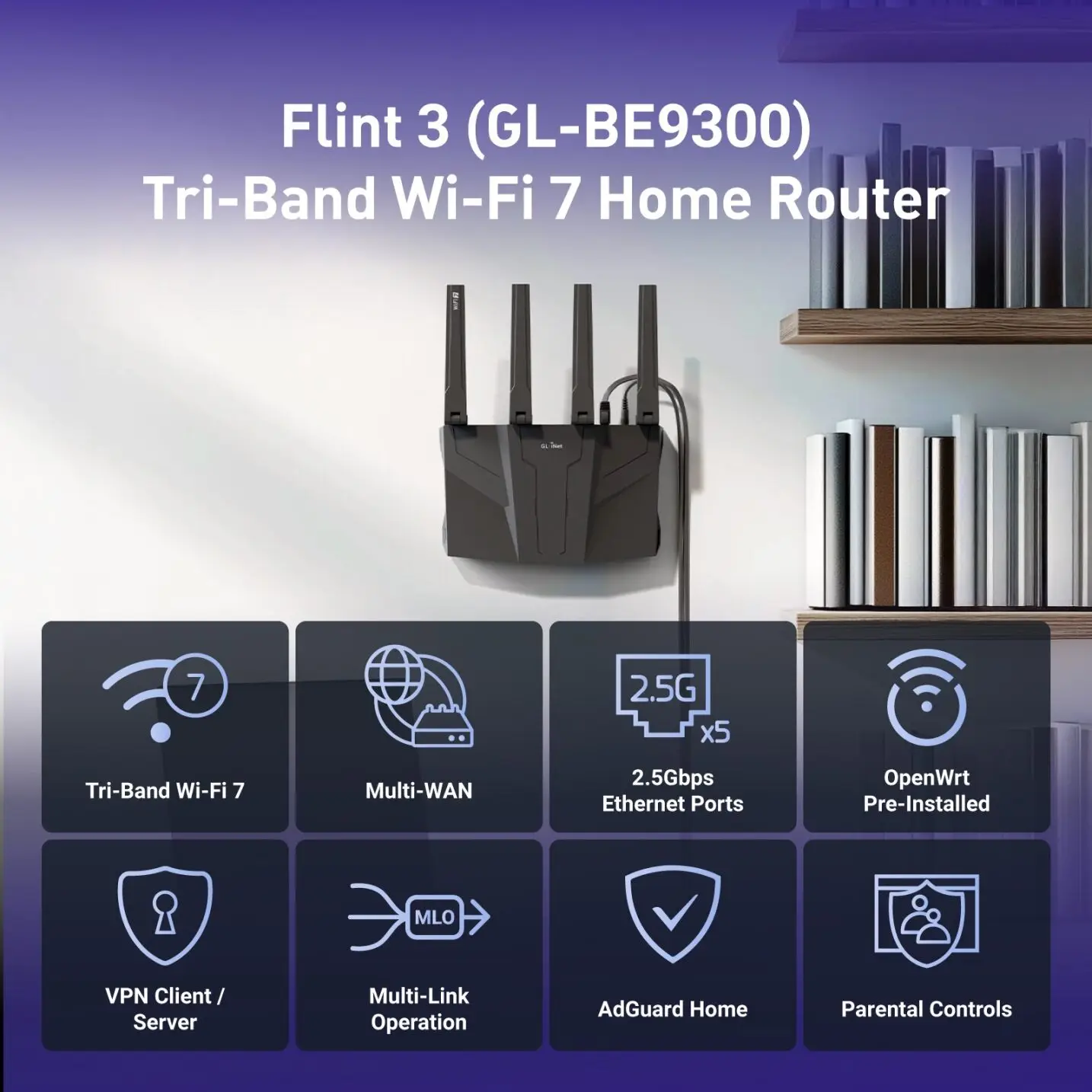
The best tri-band wi-fi 7 router is the one that matches your home’s coverage plan, 6 GHz devices, wired network needs, and preferred router features. The GL.iNet GL-BE9300 Flint 3 is a relevant standalone option for buyers seeking listed 6 GHz, five 2.5G ports, and VPN-router functionality.
View Current OfferThis page may contain affiliate links. If you purchase through them, we may earn a commission at no extra cost to you.
Tri-Band Wi-Fi 7 Router Options to Compare
These marketplace listings show different approaches to a tri-band Wi-Fi 7 home network. Compare the port layout, expansion needs, and stated feature set with your modem or ONT, client devices, and coverage plan before purchasing.
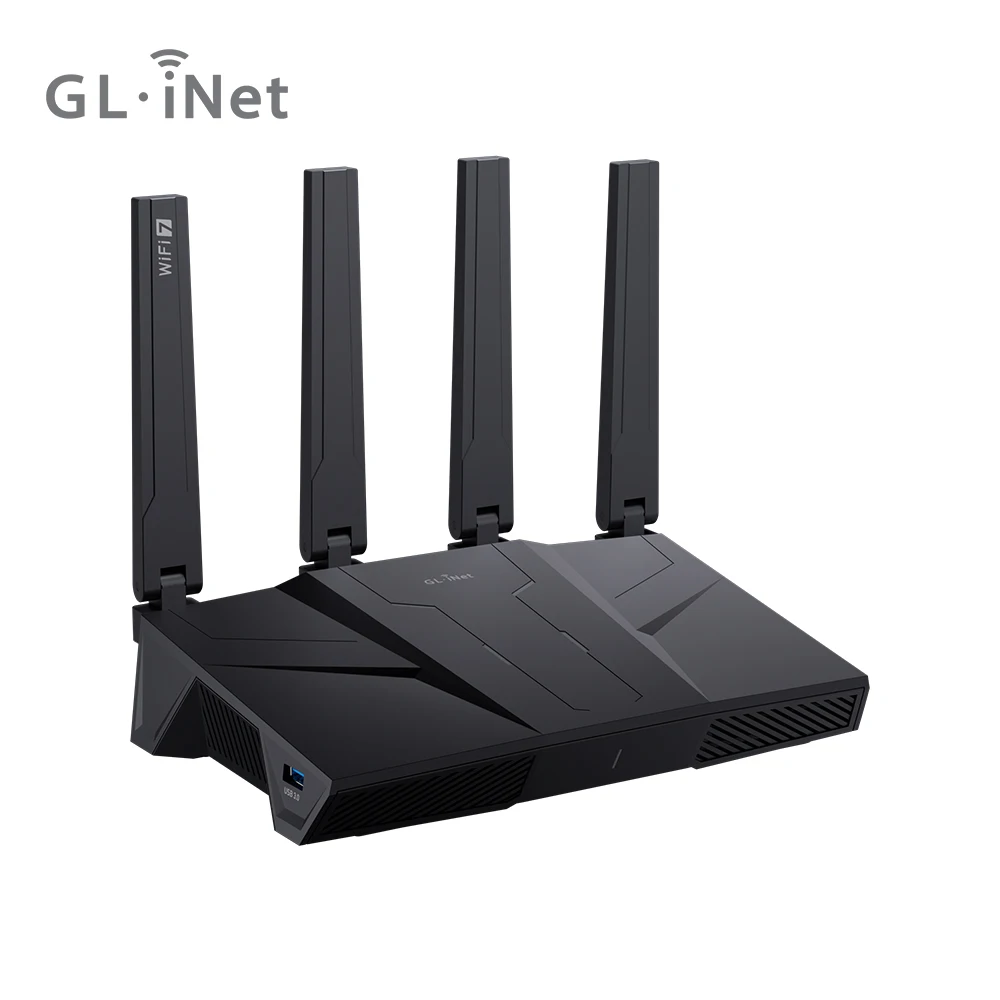
GL.iNet GL-BE9300 Flint 3 Tri-Band Wi-Fi 7 Router for Wireless Internet 5 x 2.5G VPN Router High Speed Gaming Long Range 6GHz Home Wirelss Router, 9 Gbps Wireless Speed for Smooth 8K Streaming, Low-latency Gaming Video Calls
The GL.iNet GL-BE9300 Flint 3 is positioned as a standalone tri-band Wi-Fi 7 router with 6 GHz support, multiple 2.5G ports, and VPN-router positioning.
- Tri-band Wi-Fi 7 is stated in the listing
- 6 GHz support is listed
- Five 2.5G ports are listed
- Positioned as a VPN router
Its listed wireless speed is a marketplace specification, not a real-world result for every home.
View Current Offer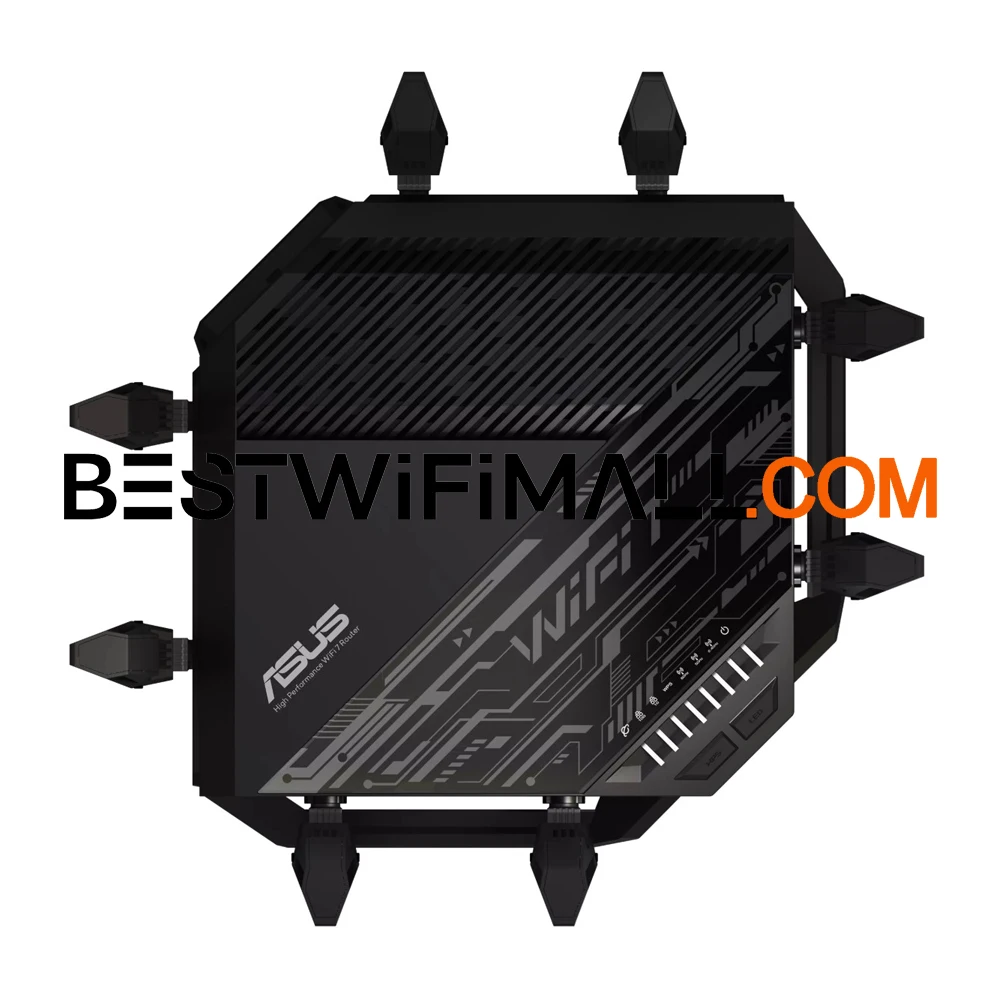
ASUS RT-BE96U BE19000 WiFi 7 Router Tri-Band 320MHz Bandwidth 4096-QAM Multi-Link Operation (MLO), Dual 10G Ports AiMesh
The ASUS RT-BE96U listing is relevant for shoppers whose priority is explicitly listed dual 10G connectivity and an AiMesh expansion path.
- Tri-band Wi-Fi 7 is stated in the listing
- Dual 10G ports are listed
- 320MHz bandwidth is listed
- AiMesh support is listed
Confirm the intended AiMesh setup and the ports required by your wired devices.
View Current Offer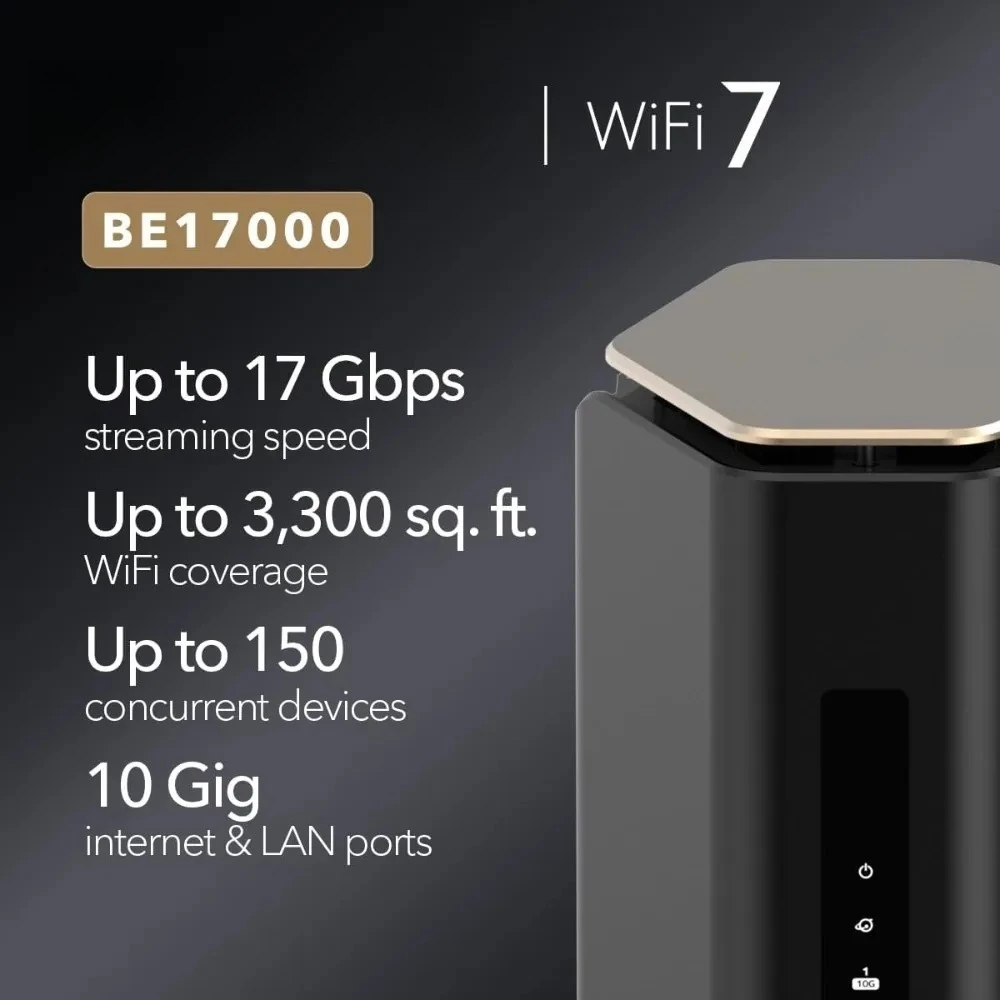
Nighthawk WiFi 7 Tri-Band Router 17 Gbps Wireless Gaming 10 Gig Port Covers 3300 sq ft 150 Devices VPN Support Expert
This Nighthawk tri-band Wi-Fi 7 router may be worth investigating for buyers who want a listing that specifically mentions a 10G port, VPN support, and a stated home-coverage figure.
- Tri-band Wi-Fi 7 is stated in the listing
- A 10G port is listed
- VPN support is listed
- The listing includes a coverage claim
Coverage depends heavily on placement, walls, interference, and the layout of the home.
View Current OfferWhat Tri-Band Wi-Fi 7 Means for a Home Network
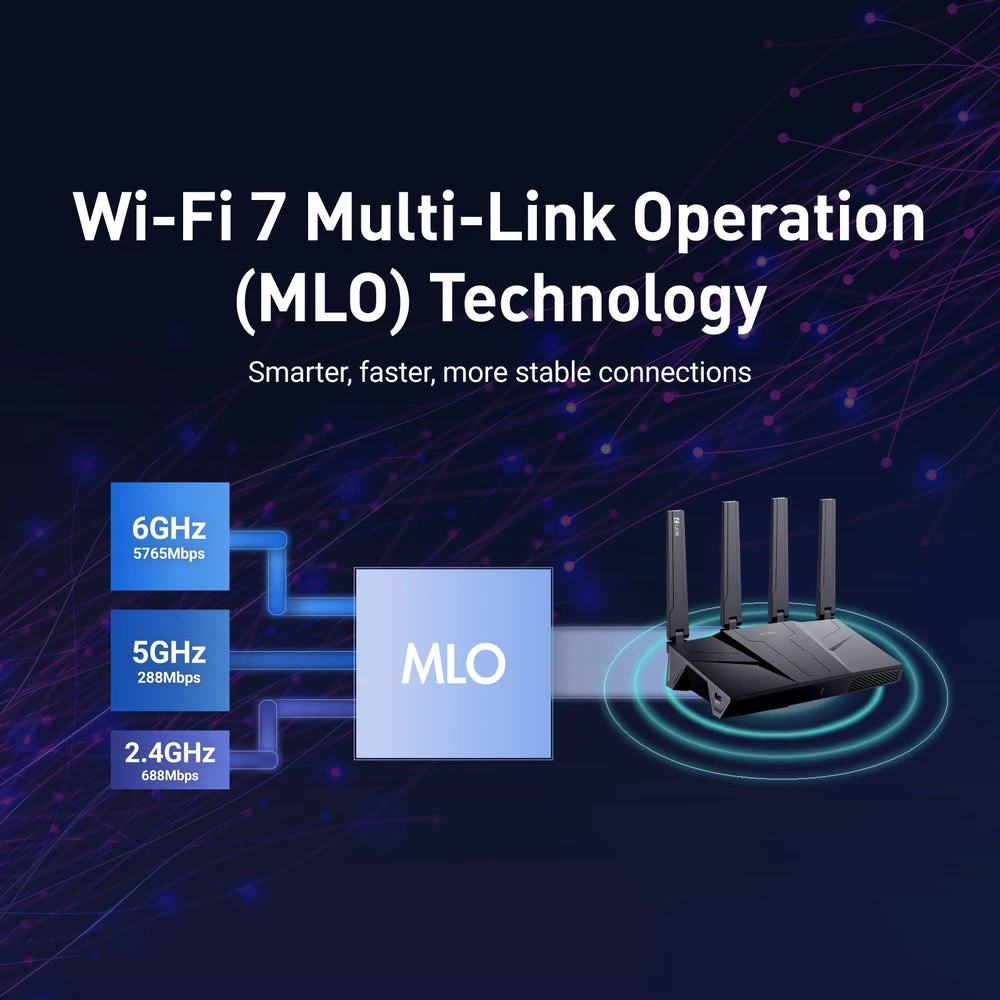
A tri-band Wi-Fi 7 router uses the 2.4 GHz, 5 GHz, and 6 GHz bands. The 2.4 GHz band is commonly useful where broader compatibility matters, while 5 GHz remains important for many current devices. The 6 GHz band is the key extra band that distinguishes this type of tri-band setup, but a device must support 6 GHz to connect to it.<br><br>Do not choose based on a headline wireless-speed label alone. Wi-Fi 7 benefits depend on the capabilities of your phones, computers, consoles, and other clients, as well as router placement and local interference. For a wired network, also check the speed and number of Ethernet ports against your internet plan, modem or ONT, switches, and multi-gig devices.
Decide Between One Router and a Mesh Coverage Plan
A standalone router can be a sensible choice when it can be placed centrally and your home can be served from that location. It is also the simpler route when the main priority is a particular port layout, such as multiple 2.5G connections or a 10G uplink, rather than adding wireless nodes around the property.<br><br>A larger home, a layout with difficult rooms, or a need for coverage across several levels may call for mesh planning instead. Check whether a router supports the expansion approach you want before treating it as a long-term whole-home solution. If VPN use matters, identify whether you want the router to provide that function for selected devices or as part of the wider home network, then confirm the setup and service requirements.
Tri-Band Wi-Fi 7 Router Questions
Is a tri-band Wi-Fi 7 router better than a dual-band Wi-Fi 7 router?
Not automatically. A tri-band model adds the 6 GHz band, which can be valuable for compatible devices and a busier network. A dual-band model may still be sufficient when your devices do not support 6 GHz or your network needs are simpler.
Do I need Wi-Fi 7 devices to use a Wi-Fi 7 router?
No. A router may connect with older compatible Wi-Fi devices, but those devices will not gain Wi-Fi 7-specific capabilities. Check the wireless support of the devices you use most.
What is the benefit of the 6 GHz band on a tri-band router?
The 6 GHz band provides an additional wireless band for compatible devices. Its practical value depends on having supported client devices and on the conditions in your home.
Is a standalone tri-band router better than a Wi-Fi 7 mesh system?
A standalone router is often appropriate for a home that can be served from one central location. A mesh system can be more suitable when coverage must extend through a large, multi-level, or difficult layout. Neither approach is universally better.
How many 2.5GbE ports should I look for in a Wi-Fi 7 router?
Count the wired devices that could benefit from multi-gig connections, then consider whether you also need a multi-gig connection to your modem, ONT, or switch. The right number depends on your actual wired layout.
What should I check before using a router with multi-gig internet service?
Confirm your service speed, the Ethernet handoff from the modem or ONT, the router's relevant WAN and LAN ports, cable condition, and the capabilities of any switch or wired client in the path.
Is the GL.iNet GL-BE9300 Flint 3 a good option for VPN use?
The marketplace listing positions the Flint 3 as a VPN router, so it is relevant to investigate if VPN functionality is a priority. Confirm the VPN features, service compatibility, configuration options, and expected impact on your own network before buying.
Choose the Feature Mix That Fits Your Network
For a standalone tri-band Wi-Fi 7 router, start with coverage and client compatibility, then match the wired ports to your internet service and local network. The GL.iNet GL-BE9300 Flint 3 is a focused option to consider if its listed 6 GHz support, five 2.5G ports, and VPN-router positioning align with that plan. Buyers needing an explicitly listed dual 10G configuration or mesh expansion path may instead want to investigate the ASUS option.
View Current Offer