How Many Mbps Do You Need for Home Wi-Fi? A Practical UK Guide
The right broadband speed depends on what happens at the same time in your home. Use these practical Mbps ranges and a simple calculation to choose a connection with enough headroom.

When people ask how many Mbps they need for home Wi-Fi, they usually mean the broadband speed coming into the house. Wi-Fi is the wireless connection between your router and devices, while Mbps, or megabits per second, describes how much internet data your connection can carry. A suitable speed depends less on the number of people at home than on how many demanding activities happen at once, such as streaming, video calls, gaming and large downloads.
Quick answer: typical home broadband speed ranges
These are practical download-speed starting points, not guarantees. The right tier can vary with video quality settings, the number of simultaneous users, upload needs and the speeds actually available at your address.
If your household regularly reaches the upper end of a range, or you want fewer slowdowns during busy periods, moving to the next range can provide useful breathing room.
- 10 to 30 Mbps: one or two light users mainly browsing, emailing, social media and streaming on one screen.
- 30 to 60 Mbps: a small household with everyday use, one or two HD streams and occasional video calls.
- 60 to 150 Mbps: several people online at once, multiple HD or 4K streams, homeworking and general gaming.
- 150 Mbps or more: busy households with many concurrent users, frequent 4K streaming, large game or software downloads, cloud backups, or several people working from home.

Estimate demand by looking at simultaneous activity
Do not add up every internet-connected device you own. A smart speaker, thermostat or idle phone normally uses very little bandwidth. Instead, list the activities likely to occur at the busiest time of day. This is often an evening when someone is streaming, another person is on a video call and others are browsing or playing online.
The figures below are deliberately approximate. Video services adjust quality to suit the connection, and a particular app may use more or less data depending on its settings. They are useful allowances for planning, rather than fixed requirements.
- General browsing, email and social media: roughly 1 to 3 Mbps per active user.
- Music streaming: usually well below 1 Mbps per stream, though it still contributes when several devices are active.
- HD video streaming: around 5 to 8 Mbps per screen.
- 4K video streaming: roughly 15 to 25 Mbps per screen.
- Video calls: allow around 3 to 5 Mbps download and upload per participant for a reliable high-quality call. Group calls and higher-resolution settings can need more.
- Online gaming: often needs only a few Mbps while playing, but it is sensitive to latency and stability. Game updates and downloads can use as much bandwidth as they can get.
- Large file transfers, cloud backups and software updates: their demand can vary widely and may temporarily crowd out other tasks.
A simple way to calculate the speed you need
Start with the activities that overlap during your busiest hour. Add reasonable download allowances, then leave headroom so that one update, extra device or change in streaming quality does not make the connection feel sluggish. As a simple rule, aim for a connection that is comfortably above your estimated regular demand rather than exactly equal to it.
Also check upload speed separately. Broadband packages are often advertised mainly by download speed, but upload capacity matters when you join video meetings, send large files, back up photos or share a connection with people making calls at the same time.
- Example: one-person light use. Browsing at 3 Mbps plus one HD stream at 8 Mbps suggests roughly 11 Mbps in use. A 10 to 30 Mbps service may be adequate, with the higher end providing more flexibility.
- Example: a family evening. Two HD streams at 8 Mbps each, one 4K stream at 25 Mbps, a video call allowing 5 Mbps and general browsing at 5 Mbps totals about 51 Mbps. A service in the 60 to 150 Mbps range gives sensible headroom.
- Example: homeworking and gaming household. Two video calls at 5 Mbps each, one 4K stream at 25 Mbps, gaming at 5 Mbps and everyday use at 5 Mbps comes to around 45 Mbps download. A connection of 60 Mbps or more is a sensible starting point, particularly if game downloads and cloud backups are common. Ensure the upload speed can support both calls at once.

Download speed is not the whole story
A faster download package will not automatically cure every internet problem. Video calls, online gaming and remote desktop work also depend on latency, which is the delay in sending and receiving data, and on the consistency of the connection. A connection that briefly drops or suffers congestion can feel poor even when a speed test looks healthy.
Upload speed deserves particular attention for households where more than one person works remotely. If callers sound choppy, video freezes when someone uploads files, or cloud photo backups affect meetings, limited upload capacity may be the cause. Check both the expected download and upload figures before choosing a service.
- Prioritise reliable upload capacity if you regularly make video calls, create content, transfer work files or use cloud backup.
- For online gaming, low and stable latency usually matters more than very high download speed during gameplay.
- Bear in mind that broadband technologies and providers may offer different upload capabilities even at similar advertised download speeds.
Make sure the issue is not your Wi-Fi coverage
If the connection is quick beside the router but slow in a bedroom, loft room or garden office, buying a faster broadband package may not help. The limitation is likely to be Wi-Fi coverage, interference or the route the signal must take through walls and floors.
Test a device in the same room as the router and then in the problem area. A large difference points to an in-home network issue. Router placement, using the appropriate Wi-Fi band, a mesh Wi-Fi system or a wired Ethernet connection can be more effective solutions than increasing broadband speed.
- Place the router in an open, central position where practical, rather than in a cupboard or behind large objects.
- Keep it away from obvious sources of interference where possible, including some wireless devices and dense metal appliances.
- Use Ethernet for fixed devices that benefit from the most stable connection, such as a desktop computer, games console or home-office dock.
- Consider mesh Wi-Fi or an additional access point for larger homes or rooms separated by thick walls.
For a deeper look, see What Is Mesh Wi-Fi and How Does It Work?.
Common mistakes when choosing a speed
The most common mistake is choosing based on a single activity. One 4K stream may work well on a modest connection until another person starts a call or a console begins downloading an update. Equally, it is easy to overestimate the impact of inactive connected devices when the real issue is only one weak Wi-Fi room.
Avoid treating advertised maximum speeds as a promise that every device will always receive that amount. Actual performance can be affected by the broadband technology at your property, local network conditions, your router and wireless interference. Check the provider's estimated speed range for your address and leave room above your calculated normal usage.
- Do not confuse Mbps with MB/s. There are eight bits in a byte, so download displays in MB/s will show a smaller number than a connection's Mbps rating.
- Do not overlook upload speed if video calling or sending files is important.
- Do not judge your connection only during a quiet period. Test and observe it when the household is actually busy.
- Do not assume every slowdown needs a faster package before checking Wi-Fi signal strength and router placement.
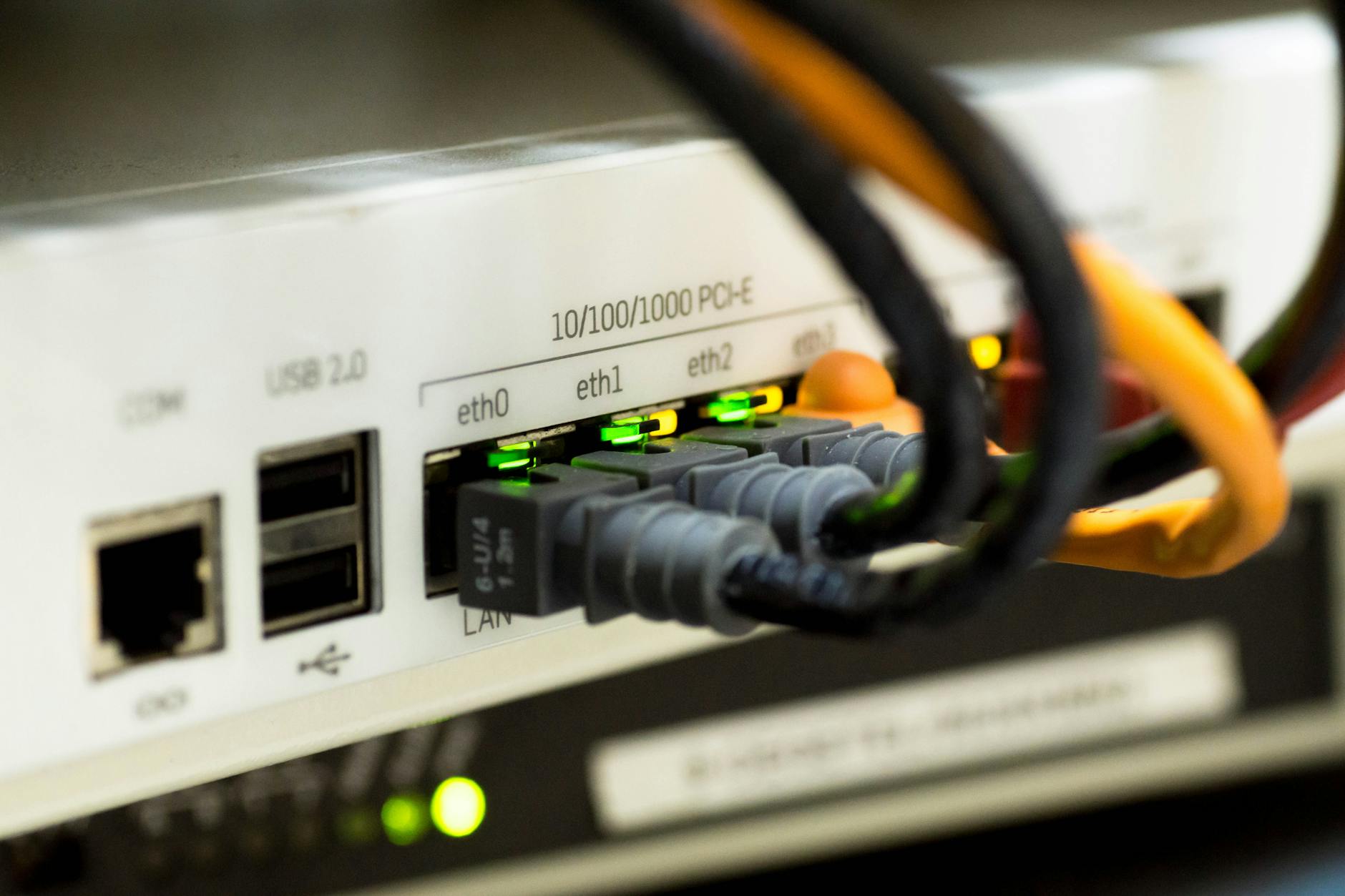
Choose for your busiest realistic moment
For many homes, 30 to 60 Mbps is enough for ordinary use, while 60 to 150 Mbps suits households with several simultaneous streams, calls and workers. Higher speeds make most sense when heavy use overlaps regularly or large downloads are frequent. Add up your busiest activities, include upload requirements, allow headroom and then confirm that your Wi-Fi setup can deliver the connection effectively around your home.