What Is Mesh Wi-Fi and How Does It Work?
Mesh Wi-Fi uses several coordinated access points to extend reliable wireless coverage through a home. Here is how it works, where it helps and what to consider before setting one up.

Mesh Wi-Fi is a home networking setup that uses two or more connected Wi-Fi access points to cover a wider area than a single router can manage comfortably. Instead of relying on one device in a hallway or living room, it creates a coordinated network with access points placed around the home. The aim is simple: fewer dead zones, a more reliable connection in distant rooms and smoother movement between areas.
How a mesh Wi-Fi system works
A typical mesh system has a main unit connected to your broadband modem or existing internet connection. Additional units, often called nodes, satellites or points, are positioned elsewhere in the property. They communicate with the main unit and, in many systems, with one another to distribute the connection around the home.
All units usually broadcast the same Wi-Fi network name and password. Your phone, laptop or smart TV can therefore stay on one network as you move around, while the system directs it towards the access point likely to offer the strongest and most suitable connection.
The link between mesh units is called backhaul. A wireless backhaul sends data between units over Wi-Fi. A wired backhaul uses Ethernet cables, which can be particularly useful in larger homes or buildings with signal-blocking walls. Some systems reserve a separate wireless band for backhaul, while others share capacity with connected devices.
- Main unit: connects the mesh network to the internet service.
- Nodes: extend coverage into rooms or floors that the main unit cannot reach well.
- Backhaul: carries traffic between mesh units.
- Single network: lets devices move around the home without manually changing Wi-Fi networks.

Mesh Wi-Fi compared with a normal router and extenders
A conventional router provides Wi-Fi from one location. It may be entirely adequate for a small flat or a compact home with an open layout. Signal strength falls with distance and can be weakened by brick, concrete, foil-backed insulation, metalwork, plumbing and large appliances.
A Wi-Fi extender can improve reach by receiving the existing wireless signal and retransmitting it. This can be a useful targeted fix, but extenders often create a separate network name and may have less effective handover as you move through the house. Their performance also depends heavily on being placed where they still receive a good signal from the router.
Mesh Wi-Fi is designed as a single managed system rather than a collection of separate devices. It can make coverage easier to manage, but it is not magic: every node still needs a sufficiently strong route back to the main unit or a wired connection.
- Choose a single router when coverage is already consistent where you use devices.
- Consider an extender for one isolated weak spot where running a cable or adding a wider system is unnecessary.
- Consider mesh when weak coverage affects several rooms, floors or regular device locations.
For a deeper look, see How to Choose the Best Wi-Fi Router for Your Home.
When mesh Wi-Fi is likely to help
Mesh is most useful when the issue is coverage rather than the broadband service itself. If the connection is reliable beside the router but slow or unstable upstairs, at the far end of the home or in a garden office, additional access points may help bring a stronger signal closer to those locations.
It can also suit homes with many connected devices. Phones, laptops, televisions, speakers, consoles, cameras and smart-home equipment all share wireless capacity. Placing access points sensibly can reduce the number of devices trying to communicate through one distant, obstructed router signal.
However, a mesh system cannot increase the speed supplied by your broadband package. If wired devices connected directly to the main router are also slow, investigate the broadband line, modem, router settings or service provider before treating coverage as the cause.
- Multi-storey homes where upper floors have unreliable Wi-Fi.
- Long or unusually shaped properties with distant rooms.
- Homes with dense internal walls or materials that weaken radio signals.
- Garden rooms or home offices that are within practical range of an extra access point.
- Households where a weak signal causes calls, streaming or work connections to drop out.
Placement matters more than adding more units
A common mistake is putting a mesh node directly inside the dead zone. If it cannot receive a strong enough connection from the rest of the system, it has little useful signal to pass on. Place it between the main unit and the problem area, ideally where it still has a dependable connection.
Keep units in open, elevated positions where practical, such as on a shelf or table. Avoid cupboards, floor-level corners, enclosed TV cabinets and areas immediately beside large metal objects. Thick masonry and reinforced floors can be especially challenging, so a node near a stairwell or landing may work better than one placed directly above the router.
Start with the fewest nodes that can sensibly cover the home. Too many closely spaced wireless units can create unnecessary radio congestion. After setup, check connection quality in the rooms where it matters, rather than judging the system only beside a node.
- Connect the main unit in as central and open a location as your broadband connection allows.
- Put the next node partway towards the weak area, not beyond the usable signal edge.
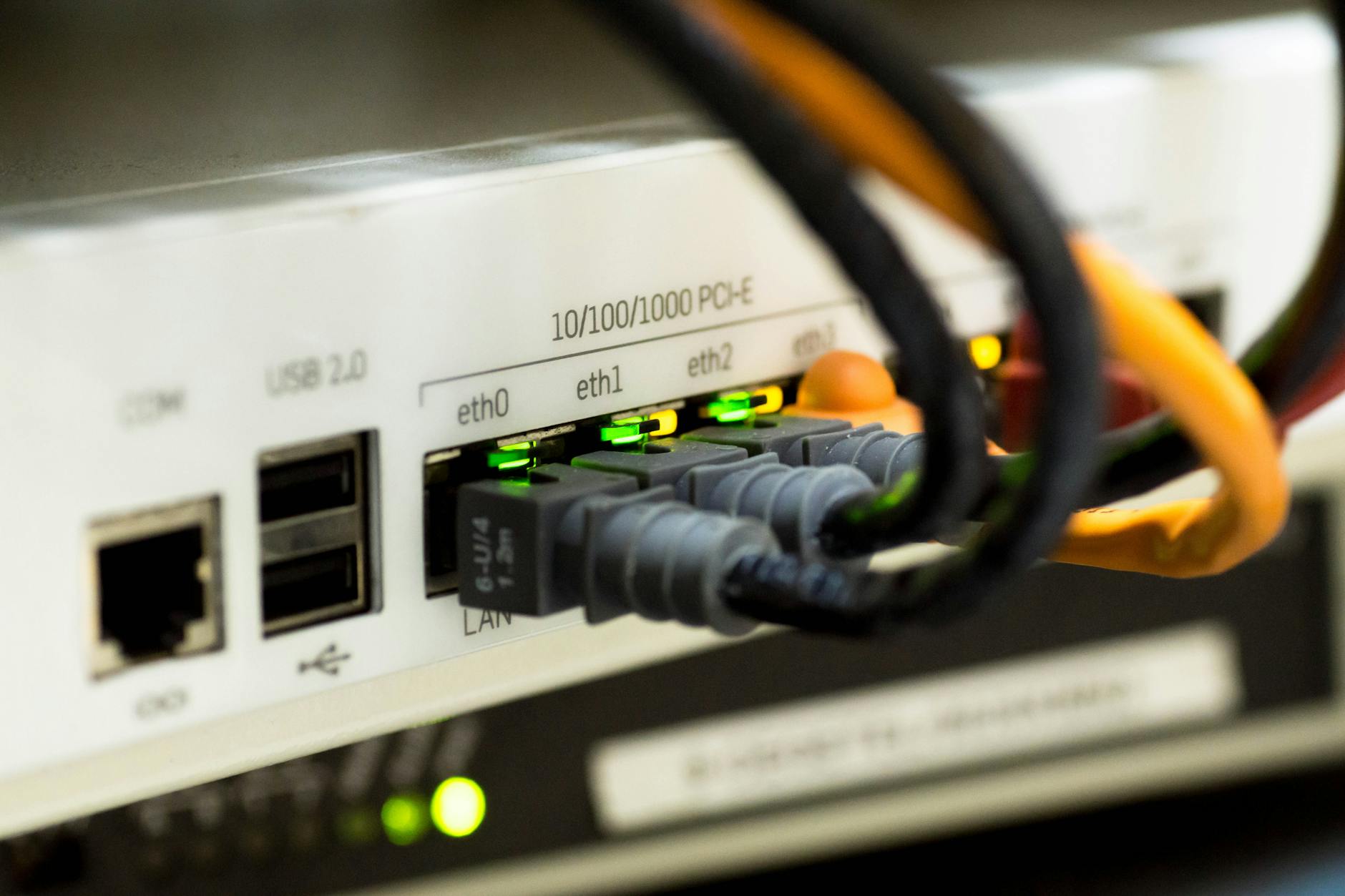
- Use Ethernet between units if cables can be installed neatly and safely.
- Test video calls, streaming and ordinary browsing in the locations that previously struggled.
What to check before setting up mesh Wi-Fi
First, identify whether the problem is Wi-Fi coverage, internet speed or a particular device. Testing close to the router and then in the weak area can reveal whether distance is the likely issue. Also check whether the affected device is old, poorly positioned or limited to an older Wi-Fi standard.
Think about how the system will fit your existing broadband equipment. Some homes need the provider's router to remain connected, with the mesh system operating behind it. Others can use a mesh unit as the main router. The best arrangement depends on the broadband connection type and whether the provider equipment can be configured appropriately.
Security and software support deserve attention too. Use a strong unique Wi-Fi password, change default administrator credentials where applicable and allow firmware updates. If you have smart-home devices that only use the 2.4 GHz band, check that the setup process supports them. Many mesh systems handle band selection automatically, but older devices can sometimes need extra steps during pairing.
- Whether your weak spots are caused by distance and building materials.
- Where each unit can be placed with mains power available.
- Whether Ethernet cabling is possible for a wired backhaul.
- How provider-supplied broadband equipment will connect to the system.
- Whether older smart devices need 2.4 GHz Wi-Fi during setup.
Common mesh Wi-Fi misconceptions
Mesh Wi-Fi does not necessarily mean every device uses the nearest physical node. Systems make connection decisions based on signal quality, available capacity and other factors, and a device may remain attached to one unit longer than expected. Restarting the device or briefly moving it can sometimes encourage a new connection, but the system's management decisions are usually intentional.
It also does not guarantee full-speed Wi-Fi everywhere. Wireless backhaul, building materials, neighbouring networks and the capabilities of your device all affect real-world results. A wired backhaul can reduce one important limitation, but it cannot overcome every source of interference or a slow internet service.
Finally, the latest Wi-Fi generation is not a substitute for sensible placement. A well-positioned system with a stable connection between nodes is generally more useful than advanced hardware located where radio signals are heavily obstructed.

The key point to remember
Mesh Wi-Fi replaces the one-router approach with several coordinated access points, helping bring a usable signal closer to where you need it. It is a strong option for persistent coverage problems across a larger or more difficult home, provided the nodes are placed well and the underlying broadband connection is sound.